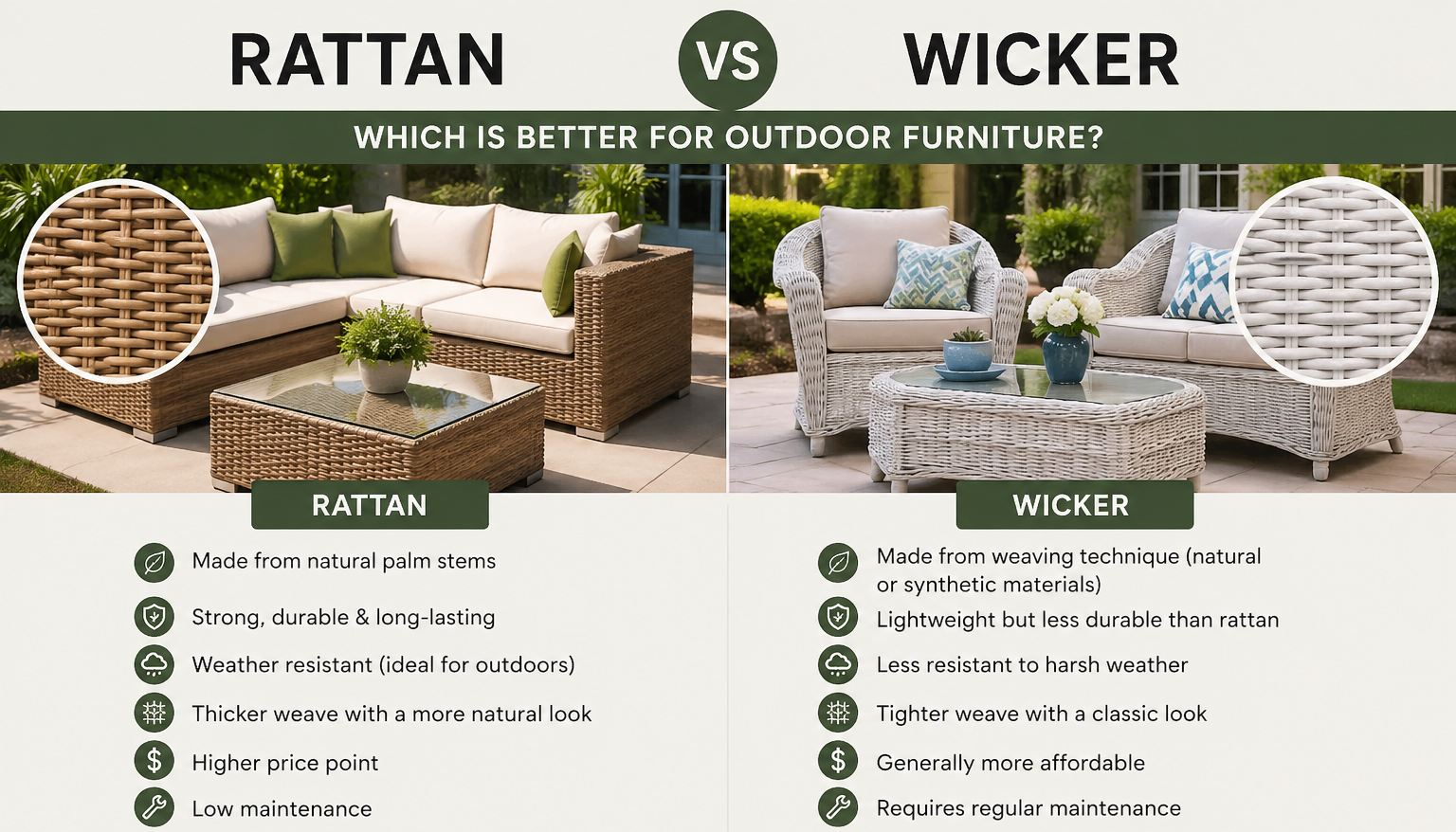
You’ve probably seen both rattan and wicker furniture while shopping for your outdoor space, and at first glance they look almost identical. So which one is actually better for outdoor use? The short answer is that rattan vs wicker furniture is not really a fair comparison because wicker is a weaving technique, not a material. But the difference matters enormously when you’re spending money on garden or patio furniture that needs to survive sun, rain, and dust year after year.
In this guide, you’ll learn exactly what sets these two apart, which one performs better outdoors in climates like Pakistan’s, and how to make the smartest buying decision for your space and budget. No fluff, just the facts you need.
Rattan vs Wicker
Most people use rattan and wicker interchangeably. That’s understandable. They look similar, they’re often sold side by side, and furniture labels don’t always clarify the distinction. But here’s the thing: rattan is a material, while wicker is a method.
Rattan refers to a specific type of palm plant (Calamus rotang) native to tropical regions of Southeast Asia, parts of Africa, and South Asia. Its stems are harvested, dried, and then woven or bent into furniture frames and decorative pieces.
Wicker, on the other hand, describes the weaving process itself. Any material can be woven in a wicker style, including rattan, bamboo, seagrass, reed, paper, or synthetic polyethylene (PE). So technically, all rattan furniture that’s woven is also wicker furniture. But not all wicker furniture uses rattan.
This distinction completely changes how outdoor furniture comparison works. When people say wicker furniture for outdoor use, they often mean pieces woven from natural materials that aren’t as durable as synthetic PE rattan. That’s the real outdoor performance gap you need to understand.
What Is Rattan Furniture?
Natural Rattan
Natural rattan furniture is made from the actual rattan vine. It’s strong, flexible, and has a beautiful organic appearance. Natural rattan bends without cracking during manufacturing, which allows furniture makers to create curved and intricate designs that look stunning indoors.
The problem is moisture. Natural rattan absorbs water, which causes it to swell, crack, and eventually rot when left outdoors. Pakistan’s monsoon season would destroy a natural rattan set within one or two years if left uncovered.
Synthetic Rattan (PE Rattan)
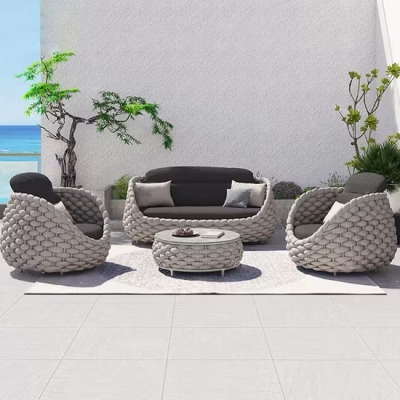
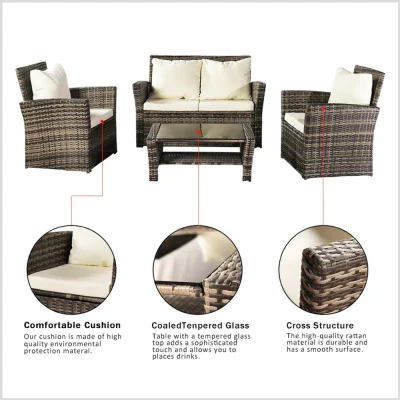
This is where outdoor rattan furniture really shines. Synthetic PE rattan is made from polyethylene resin engineered to mimic the look of natural rattan while eliminating all its outdoor weaknesses. It doesn’t absorb water, it doesn’t fade under UV light, and it doesn’t crack in heat or cold.
The frames underneath synthetic rattan are almost always powder-coated aluminum or galvanized steel. Aluminum frames won’t rust, they’re lightweight enough to move easily across a patio or lawn, and they hold up structurally for a decade or more.
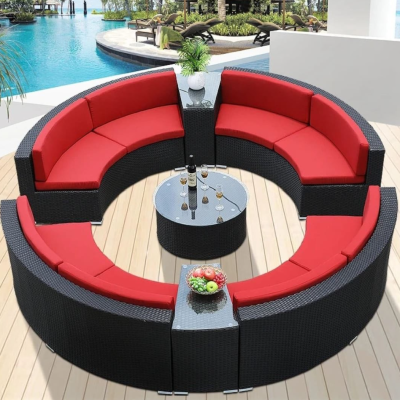
When you see outdoor rattan furniture advertised for garden, patio, or lawn use, it’s almost always synthetic PE rattan. That’s the version worth buying for outdoor spaces.
What Is Wicker Furniture?
Wicker furniture uses the weaving technique applied to natural materials like rattan, bamboo, sea grass, reed, or willow. It’s one of the oldest furniture-making traditions in the world, with evidence of wicker weaving going back to ancient Egypt.
Traditional wicker furniture has a warm, rustic look that works beautifully in covered verandas, conservatories, and indoor living areas. It feels organic and natural in a way that synthetic materials simply can’t fully replicate.
The serious drawback is outdoor durability. Natural wicker materials absorb moisture, attract mold, fade quickly under direct sunlight, and become brittle in heat. In Pakistan’s climate, where summer temperatures regularly hit 40 to 45 degrees Celsius followed by heavy monsoon rains, traditional natural wicker furniture simply isn’t a practical outdoor choice.
Some manufacturers now produce wicker-style furniture using synthetic materials like resin or PE fiber, which dramatically improves outdoor performance. If you see furniture marketed as synthetic wicker, it’s essentially the same product as PE rattan furniture, just using different terminology.
Side-by-Side Comparison
|
Feature
|
Rattan
|
Wicker
|
|---|---|---|
|
Material Type
|
Natural vine / PE synthetic
|
Weaving technique (any material)
|
|
Best For
|
Outdoor & indoor use
|
Primarily indoor use
|
|
Weather Resistance
|
Low (natural wicker fades fast)
|
|
|
Durability Outdoors
|
7 to 10+ years
|
2 to 4 years
|
|
Maintenance Required
|
Very low
|
Moderate to high
|
|
Price Range (PKR)
|
8,000 to 2,00,000+
|
5,000 to 80,000
|
The table makes it clear. If you’re furnishing an outdoor space exposed to sunlight, rain, and dust, synthetic rattan wins in almost every practical category. Natural wicker materials are better suited for covered or indoor settings where they’re protected from the elements.
Rattan Furniture Benefits: Pros and Cons
|
Rattan Pros
|
Rattan Cons
|
|---|---|
|
UV and weather resistant (synthetic)
|
Natural rattan not suited outdoors
|
|
Extremely durable for outdoor spaces
|
High-quality sets cost more upfront
|
|
Low maintenance year round
|
|
|
Modern and versatile designs
|
Repairs can be tricky if weave breaks
|
|
Lightweight and easy to move
|
Limited texture variety vs wicker
|
Why Rattan Works So Well Outdoors?
The rattan furniture benefits for outdoor use come down to three things: material engineering, frame quality, and design versatility. Synthetic PE rattan is purpose-built for outdoor exposure. Brands producing quality outdoor furniture test their rattan weaves for UV resistance, tensile strength, and moisture tolerance before they go to market.
An aluminum-framed synthetic rattan sofa set placed on a Lahore rooftop or a Karachi beachfront patio handles everything the environment throws at it. The cushions are the only part that needs occasional protection during heavy rain, and quality outdoor cushions use waterproof or water-resistant fabric covers that dry quickly.
Wicker Furniture Pros and Cons
|
Wicker Pros
|
Wicker Cons
|
|---|---|
|
Wide variety of textures and styles
|
Natural wicker fades and cracks outdoors
|
|
Often more affordable entry price
|
Needs regular sealing and maintenance
|
|
Classic rustic aesthetic appeal
|
Absorbs moisture and grows mold outdoors
|
|
Biodegradable when natural materials used
|
Less durable in harsh climates
|
|
Great for covered patio or indoor use
|
Not suitable for Pakistan's monsoon rains
|
When Wicker Furniture Makes Sense
Natural wicker furniture isn’t useless. For covered patios, shaded verandas, or indoor living spaces like a sunroom or drawing room, natural wicker creates a warm and inviting atmosphere that synthetic materials struggle to match. If your outdoor seating area has a permanent roof and is sheltered from direct rain, wicker furniture can work beautifully and last several years with proper care.
The key is understanding that wicker furniture pros and cons depend heavily on where and how you use it. Indoors or in sheltered spaces, wicker shines. Fully exposed outdoors in Pakistan’s climate, it struggles significantly.
Which Is Better for Outdoor Use in Pakistan?
For outdoor use in Pakistan, synthetic PE rattan furniture is the clear winner. Here’s why this conclusion is specific to Pakistani conditions and not just a generic recommendation:
- Pakistani summers exceed 40 degrees Celsius in most major cities. Natural wicker materials dry out, crack, and fade under this intensity. Synthetic rattan handles it without any noticeable deterioration.
- Monsoon season brings sudden heavy rain and high humidity across Punjab, Sindh, and KPK. Moisture is the biggest enemy of natural wicker. PE rattan simply doesn't absorb water.
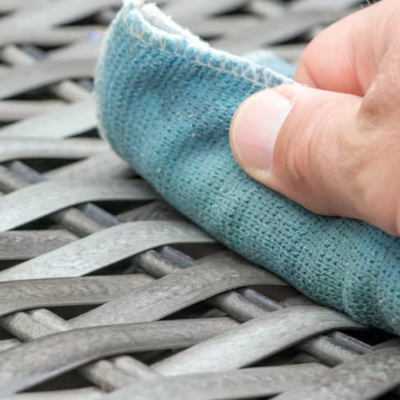
- Dust storms are common in cities like Multan, Dera Ghazi Khan, and parts of Balochistan. Rattan's open weave collects dust, but it's also the easiest furniture to clean with a brush or damp cloth.
- The price of good synthetic rattan furniture in Pakistan has become genuinely competitive with natural wicker alternatives. You're no longer paying a premium for better outdoor performance.
If you’re buying for a fully covered outdoor space like a sheltered veranda or a pergola-covered patio where rain doesn’t reach, natural wicker is a viable option and creates a warmer aesthetic. For anything exposed to open sky, go with synthetic rattan every time.
Price Comparison in Pakistan (2026 Trends)
Let’s talk numbers. Understanding rattan furniture price in Pakistan versus wicker alternatives helps you make a budget-smart decision.
Natural Wicker Furniture Prices (PKR)
- Basic wicker chair: PKR 4,000 to 10,000
- 2-seater wicker sofa: PKR 15,000 to 35,000
- 4-seater wicker dining set: PKR 30,000 to 65,000
- Average lifespan outdoors: 2 to 4 years with maintenance
Synthetic Rattan Furniture Prices (PKR)
- Rattan chair: PKR 8,000 to 18,000
- 5-piece rattan sofa set: PKR 55,000 to 1,20,000
- 4-seater rattan dining set: PKR 55,000 to 1,00,000
- Average lifespan outdoors: 7 to 10+ years
On a cost-per-year basis, synthetic rattan furniture is significantly more economical. A PKR 70,000 rattan set lasting 8 years costs around PKR 8,750 per year. A PKR 40,000 wicker set lasting 3 years costs PKR 13,333 per year outdoors. Better durability means better long-term value, and that’s before factoring in the maintenance costs that natural wicker requires.
How to Choose Between Rattan and Wicker for Your Space?
Use this practical decision guide before you buy:
Choose Synthetic Rattan If:
- Your furniture will be fully exposed to sun, rain, or wind
- You want furniture that needs minimal maintenance
- You live in a hot, humid city like Karachi, Lahore, or Multan
- You want a long-lasting investment that won't need replacing in 3 years
- You prefer modern, clean lines with a variety of color options
Choose Natural Wicker If:
- Your outdoor area is permanently covered and rain-protected
- You want a rustic, traditional aesthetic for an indoor or semi-outdoor space
- Budget is your primary concern and you're comfortable with more maintenance
- You're furnishing an indoor sunroom, conservatory, or covered veranda
Pro Tips Before You Buy
- Always ask sellers whether rattan is PE synthetic or natural before purchasing
- Check frame material: aluminum frames are lighter and rust-free compared to steel
- Request cushion fabric specifications: Olefin or PE-coated fabric outperforms standard polyester outdoors
- Look for UV resistance ratings on synthetic rattan products for longer color life
- Compare measurements carefully, especially for balcony sets where space is limited
FAQs
No, they are not the same. Rattan is a specific plant material used to make furniture. Wicker is a weaving technique that can use rattan, bamboo, seagrass, reed, or synthetic fibers. All woven rattan furniture is technically wicker, but not all wicker furniture uses rattan.
Synthetic PE rattan is more durable outdoors than traditional natural wicker materials. PE rattan resists UV rays, moisture, and temperature changes. Natural wicker made from bamboo, reed, or seagrass fades, cracks, and absorbs water when left exposed outdoors for extended periods.
Natural wicker furniture is not ideal for fully exposed outdoor use in Pakistan. Pakistan's intense heat, monsoon rains, and humidity will cause natural wicker to deteriorate within a few seasons. If your outdoor area has permanent shade and protection from rain, natural wicker can last longer with regular sealing and maintenance.
High-quality synthetic rattan furniture with powder-coated aluminum frames typically lasts 7 to 10 years outdoors in Pakistan with basic care. Cheaper PE rattan products may start degrading within 3 to 4 years, so quality matters significantly. Always check the rattan thickness, which should be 3mm or more for outdoor-grade furniture.
Synthetic rattan furniture costs slightly more upfront than basic natural wicker pieces in Pakistan. However, it lasts 2 to 3 times longer outdoors, making the cost per year significantly lower. A quality rattan set priced at PKR 70,000 lasting 8 years offers better value than a PKR 35,000 wicker set lasting only 3 years.
Synthetic PE rattan furniture can get wet without damage. The weave does not absorb water and the aluminum frame does not rust. Cushions should ideally be stored or covered during extended heavy rain, as even waterproof cushion covers can eventually allow moisture penetration if submerged or soaked for long periods. Natural rattan should not get wet regularly.
For a covered veranda that is protected from direct rain and harsh sun, both natural wicker and synthetic rattan work well. Natural wicker creates a warmer, more traditional aesthetic in sheltered spaces and lasts considerably longer when protected from the elements. Synthetic rattan is still the safer long-term choice if any exposure to rain or strong sunlight occurs.
OutdoorRattanFurniture.store offers a curated collection of synthetic PE rattan furniture with nationwide delivery across Pakistan. Local furniture markets in Lahore, Karachi, and Islamabad also carry rattan sets. For the best prices, consider buying directly from manufacturers in Gujranwala or Karachi's industrial zones.
Conclusion
The rattan vs wicker furniture debate comes down to one key insight: wicker is a technique, not a material, and the material underneath the weave determines how your furniture performs outdoors. Natural wicker materials like bamboo, reed, and seagrass are beautiful indoors but struggle seriously in Pakistan’s outdoor conditions. Synthetic PE rattan is the outdoor-ready choice that delivers durability, style, and low maintenance year after year.
Here are the key takeaways from this comparison:
- Rattan is a material, wicker is a weaving style. They are not the same thing.
- Synthetic PE rattan outperforms natural wicker in every outdoor durability category.
- For Pakistan's climate, synthetic rattan is the smart, long-term investment.
- Natural wicker still works excellently in covered, sheltered, or indoor spaces.
- Always verify whether furniture uses PE synthetic or natural material before buying outdoors.
Ready to upgrade your outdoor space with furniture that actually lasts? Explore our full collection of premium synthetic rattan sets at OutdoorRattanFurniture.store and find the perfect match for your garden, patio, or balcony today.